An island market is rarely just a place to buy vegetables. It is where the ferry timetable meets the gossip, where someone's surplus courgettes become your dinner, and where you learn which beach the locals actually use. The first visit can feel slightly baffling if you arrive expecting a mainland farmers' market. It runs on different rhythms, different quantities and a different set of unwritten rules.
This checklist covers the practical side: when to turn up, what to bring, how to buy well and how to behave in a way that keeps stallholders happy to see you again next week.
Island markets often run to a schedule that would look eccentric anywhere else. A market may operate on Wednesdays in summer and Saturdays in winter, or only when the ferry delivers stock. Some are fortnightly. A few move indoors when the weather turns.
Before you plan a morning around it, check three things:
Arriving at eleven o'clock to find everyone folding tables away is a genuine rite of passage. Arriving at half past eight is often better. That is when the best produce appears, when the queue at the fish stall is short, and when stallholders have time to talk.
There are two distinct markets in the same space, depending on the hour. Early on, it is a buying market: serious shoppers with bags and a list, growers unloading crates, the smell of coffee from the one van that always seems to be there.
By mid-morning it becomes a social market. People linger, children run between stalls, and conversations last longer than the transaction. If you want the best selection, come early. If you want to chat, come once the rush has eased and the sellers are no longer counting change at speed.
Outdoor island markets are weather-dependent, and not always in the way you expect. Wind is often more disruptive than rain, particularly for anything paper, fragile or loose. Bring a bag that closes properly and wear layers. If a market is cancelled, it is usually announced on a local noticeboard, a community social media page or the harbour office rather than anywhere official.
Card readers have reached most islands, but market stalls are often the last place to adopt them. Mobile signal can drop without warning, and a stallholder dealing with a queue does not want to troubleshoot a payment app while the tide is turning.
Take cash, and take it in small denominations. A twenty-pound note for a jar of honey and a bunch of carrots creates a problem for someone who started the day with a limited float. Coins matter. Keep a separate pocket for loose change so you are not rummaging through a bag while others wait.
If you do pay by card, ask first rather than assuming. It is a small courtesy that saves everyone an awkward moment.
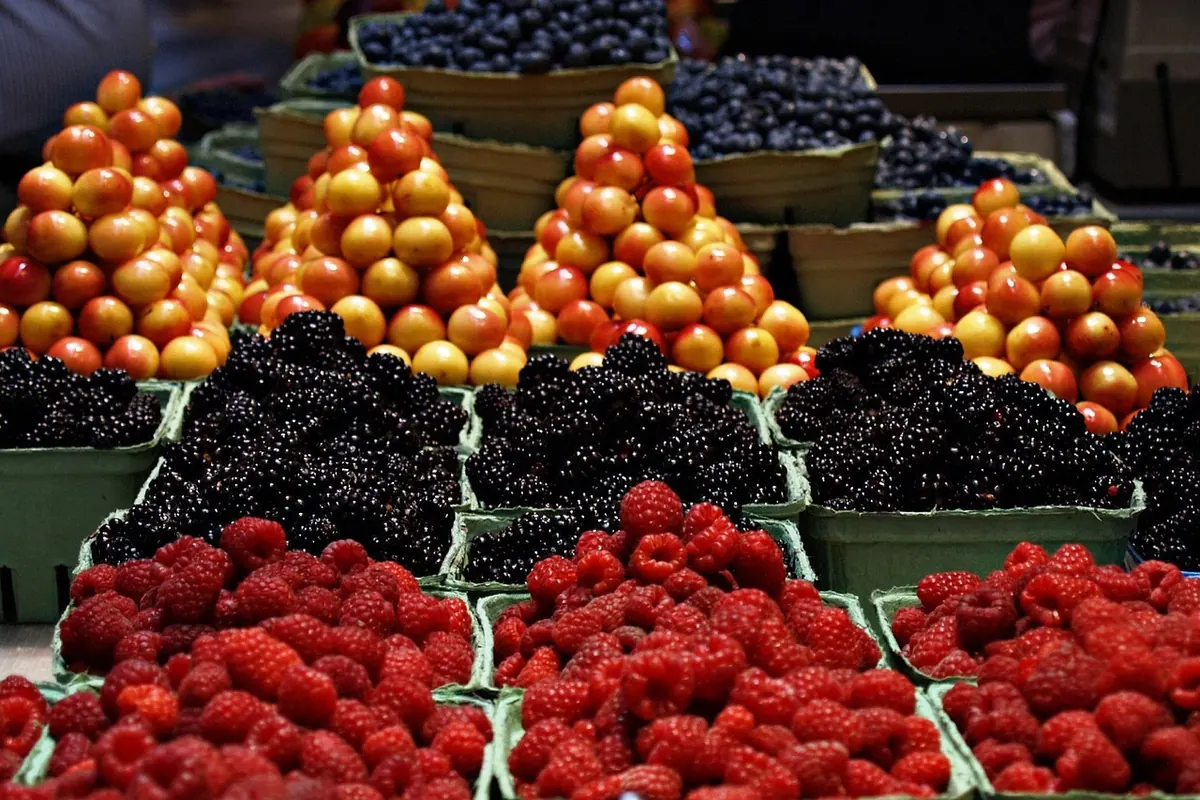
The produce is usually the point, and it is often better than anything the supermarket can offer, largely because it was picked recently and travelled a few miles rather than a few hundred. Expect seasonal gluts: too many tomatoes in late summer, a run on greens in spring, apples everywhere in autumn.
A few habits make buying easier:
Beyond food, look for the things that are genuinely local: shellfish, cheese, wool, soap, driftwood pieces, jam made from hedgerow fruit. These are the purchases that carry the place home with you.
Nobody hands out a rulebook, but there are customs worth following. Most of them amount to paying attention.
Queues at island markets can be informal. Sometimes it is a line; sometimes it is a cluster of people who all know their order. Watch for a moment before joining. If in doubt, ask who is next. It costs nothing and prevents the quiet irritation of someone who has been waiting longer than you.
Some stalls invite you to pick your own; others prefer to serve you. Fruit bruises, bread is unwrapped, and a box of eggs does not appreciate investigation. Ask, and the seller will usually hand you the best of what is there.
This is not a tourist bazaar. Prices are usually fair and margins are thin. If something is priced higher than you expected, you can ask what makes it different, but aggressive bargaining tends to go down badly. Buying a little more from a stall you like is a better way to build a relationship than knocking fifty pence off a cabbage.
Well-behaved dogs are often welcome, but not near open food. Keep them close and ask before letting them near a stall. Children are usually treated kindly, though a market is not a playground, and a small child holding a paper bag of tomatoes near a crowded aisle is a risk to everyone's morning.
Market layouts are tight. Step to the side to check your phone, count your change or finish a conversation. It is the single easiest way to be a good market citizen.
Markets tend to sit near the things worth doing afterwards. Once you have bought your fill, walk the harbour, find the café the stallholders use, or take the coastal path in the direction they point you. Many island markets are held where the ferry lands, which means you can shop, eat and be back on a boat without needing a car.
If you are driving, arrive before the rush and check parking restrictions near the quay. On small islands, parking fills quickly and blocking a turning point creates real problems for residents.
Before you set off, run through this:
Go with an open mind and a bit of patience, and an island market will reward you with more than groceries. It is one of the quickest ways to understand how a place actually works. If you are buying food with a short shelf life and planning to take it home, check any travel restrictions and refrigeration needs before you commit, and speak to a qualified food safety or veterinary source if you are unsure about transporting fresh produce between islands or countries.
Photo: ArtTower / Pixabay